Tables

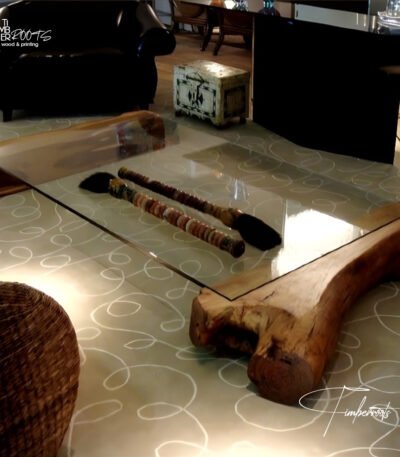
Center Table – CTR35

EGP14,900

Wood Type: Acacia
Dimension: 130 x 80 h25

Acacia wood is a strong and attractive hardwood that comes from the Acacia tree, which grows mainly in Australia, Africa, and parts of Asia. It is popular for furniture and home décor because of its durability, natural beauty, and water resistance.

  • Main Characteristics
    – Medium to dark brown color, sometimes with golden or reddish tones
    – Smooth texture with natural grain patterns
    – Very hard, dense, and long-lasting wood
    – Resistant to scratches, moisture, and decay
    – Naturally antibacterial and low maintenance


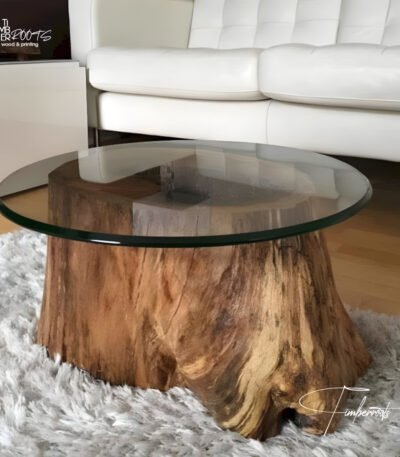
Center Table – CTR37

EGP24,900

Wood Type: Acacia
Dimension: 80 h 45

Notes: Glass 15ml

Acacia wood is a strong and attractive hardwood that comes from the Acacia tree, which grows mainly in Australia, Africa, and parts of Asia. It is popular for furniture and home décor because of its durability, natural beauty, and water resistance.

  • Main Characteristics
    – Medium to dark brown color, sometimes with golden or reddish tones
    – Smooth texture with natural grain patterns
    – Very hard, dense, and long-lasting wood
    – Resistant to scratches, moisture, and decay
    – Naturally antibacterial and low maintenance

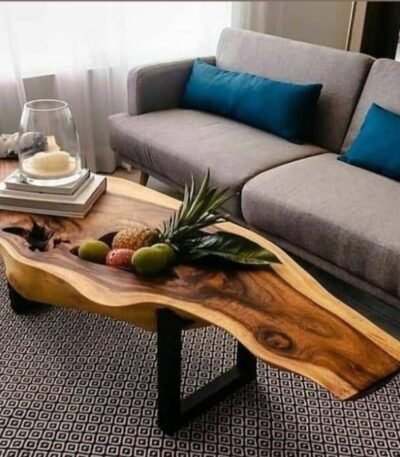
Center Table – CTR49

EGP14,900

Wood Type: sersu (Rosewood)
Dimension: 130 x 45

  • Material: Solid wood slabs, possibly acacia, rosewood, or suar (rain tree wood) — known for their rich grain patterns and natural beauty.
  • Design: Each tabletop is a unique cross-section of a tree trunk, showcasing natural rings and organic shapes — no two pieces are alike.
  • Finish: The surface appears polished and sealed to highlight the wood’s texture and protect it from moisture.
  • Legs: Made of metal hairpin legs, giving a modern contrast to the rustic wood top.

🪵 Common Uses

  • Accent or side tables in living rooms or cafes.
  • Display stands for plants, art pieces, or lamps.
  • Coffee tables when grouped together.


✨ Features & Appeal

  • Combines natural, rustic charm with modern minimalism.
  • Each piece’s organic edge preserves the tree’s original contour, known as a live edge design.
  • Eco-friendly — often made from reclaimed or sustainably harvested wood.